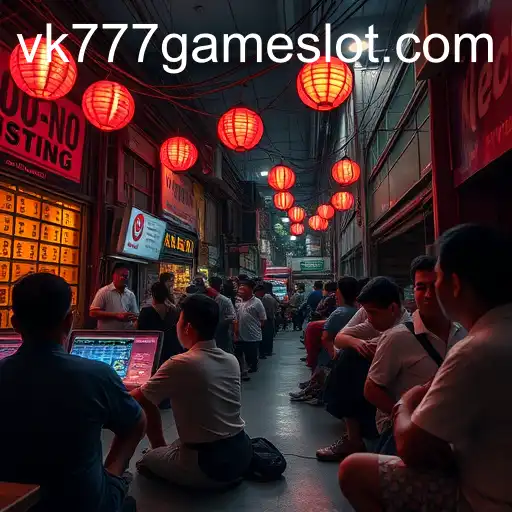
The Intricate Web of Jueteng: Understanding the Game
Jueteng, a longstanding illegal numbers game in the Philippines, has established itself as a cultural phenomenon despite its illicit nature. Often played clandestinely, jueteng continues to thrive at the grassroots level, entwining itself into the fabric of Filipino society. At its core, the game lures participants with the promise of quick and easy money, a temptation hard to resist for many. Understanding jueteng requires an exploration of its mechanics, its societal impacts, and the relentless efforts to curtail its existence.
The Mechanics of Jueteng
Jueteng has a straightforward structure, making it accessible to a broad audience. Participants select a two-number combination and place bets on their selections. A draw then determines the winning combination, and those who have wagered on it receive their payouts. This simplicity contributes significantly to its popularity, allowing individuals with varying degrees of betting knowledge to participate.
The game play occurs across numerous small communities, with collectors, known as kabo, gathering bets. Behind them is a network of managers and operators, ensuring the game runs smoothly. In recent times, technology such as apps and online platforms have introduced elements like VK777 GAME into the equation, modernizing the betting process and making it more accessible, but also raising concerns about scaling illegal gambling beyond traditional barriers.
Cultural Significance
Despite its illegal status, jueteng holds substantial cultural significance within Filipino communities. It represents a social equalizer of sorts, bridging economic classes as it operates across various demographics. In communities lacking entertainment and social activity, jueteng provides not just a gambling outlet, but also a form of community interaction, fostering camaraderie among participants.
Economic Impact
Jueteng's impact on the local economy cannot be understated. The game circulates vast amounts of money, impacting communities at several levels. For many involved, it provides a significant source of income, from operators raking in profits to bettors experiencing sporadic winnings. However, this economic input is tinged with controversy, given its clandestine nature evading tax regulations and depriving legitimate economic channels of potential revenue.
The uncertainty of winnings also fuels the cycle of poverty for participants, enticing them with elusive chances to break economic hardship, but often leading them deeper into financial struggles. This cycle is exacerbated by platforms similar to VK777 GAME, offering wider reach but often leaving participants with dashed hopes and empty pockets.
Impact on Governance and Law Enforcement
Efforts to eliminate jueteng have been persistent but largely unsuccessful. Law enforcement finds itself in a cat-and-mouse chase against an activity that morphs and adapts faster than laws can be strengthened or police enacted changes can tighten grips. Corruption often rears its head, with political figures alleged to benefit financially from jueteng operations, further complicating eradication efforts.
A significant stumbling block in enforcement is the public perception of jueteng as a benign or victimless crime. This perception can undermine efforts by authorities to address the game without grassroots support. The rise of online channels accessible and pervasive as VK777 GAME further complicates enforcement efforts, pushing illegal gambling into new territories that challenge current laws.
Legal Alternatives and Government Efforts
In an effort to steer the public away from illegal gambling, the government has attempted to provide legal alternatives. The Philippine Charity Sweepstakes Office (PCSO) runs Small Town Lottery (STL) as a legal counterpart, ostensibly providing a similar thrill while generating revenue for charitable purposes. Yet, despite such initiatives, jueteng’s allure resists these legal pathways, often due to deeply entrenched community ties and resistance to change.
The fight against illicit jueteng is not a solitary one; it requires cooperation between government bodies, communities, and even international partnerships. As landscapes change and virtual channels like VK777 GAME emerge, new strategies become necessary to effectively address gambling regulation in the digital age.
The Role of Technology in Jueteng
Technological advancements have not spared the sphere of illegal gambling. While traditional jueteng operations rely heavily on manual processes, the rise of the internet and mobile technologies provides new avenues for clandestine betting. Services and platforms such as VK777 GAME offer streamlined processes for placing bets and tracking results, making them enticing options for a tech-savvy audience.
The emergence of such technologies demands a reevaluation of existing laws and enforcement methodologies. As illegal gambling shifts online, jurisdictional challenges arise, requiring robust international cooperation and innovative technological solutions to combat these digital threats.
The Future of Jueteng
As the social, economic, and technological landscapes evolve, so too will jueteng. Its tenacity and adaptability in the face of change suggest that simply banning the game is unlikely to render it obsolete. Solutions lie perhaps in understanding and transforming the needs and social structures that make jueteng thrive, channeling them into legal and productive outlets.
With the continued growth of online alternatives like VK777 GAME, the battle against illegal gambling requires more than traditional enforcement; it demands a rethink of societal norms, economic incentives, and legal frameworks that can offer sustainable change.
Ultimately, tackling jueteng involves more than legal battles; it involves addressing deep-seated economic and social issues in Filipino communities, ushering in change that empowers those communities to seek legal and productive avenues for economic betterment.